






Streamlining Right to Know: A Guide to County Governments

Transparency is more than a statutory obligation; it is the backbone of public trust. The “Right to Know” gives residents the ability to understand how their local government operates, how decisions are made, and how public funds are used. For county governments, honoring this right means responding to records requests accurately, completely, and within required timeframes.

In practice, that can be easier said than done. Counties manage decades of records across departments, formats, and storage locations. When information lives in filing cabinets, shared drives, email inboxes, and legacy systems, even a straightforward request can turn into a time-consuming scavenger hunt.

The good news is that counties don’t have to choose between transparency and efficiency. With the right technology and thoughtful processes in place, Right to Know requests can become easier to manage, and less burdensome for staff. That is where Collective Intelligence can help.

This article is intended for county administrators, clerks, IT leaders, and department managers responsible for records management, public information requests, and compliance with state Right to Know laws.

Why Counties Struggle with Right to Know Requests

County governments face distinct challenges when it comes to meeting transparency expectations:

Paper Overload

Many Counties still rely heavily on physical records for permits, contracts, and historical documents. Locating, reviewing, and reproducing these records requires significant time and manual effort.

Fragmented Systems

Information is often stored across multiple systems and departments with limited consistency. Without a centralized approach, staff must search several locations to compile a complete response, increasing the risk of delays or missed documents.

Compliance Pressure

State Right to Know laws impose strict timelines and documentation requirements. Without the right tools in place, meeting these expectations can create ongoing pressure and compliance risk.

Limited Staff Resources

Most counties do not have dedicated staff solely for records management. Employees responsible for handling requests often juggle multiple roles, and manual workflows pull time away from essential public services.

If these challenges sound familiar, you’re not alone. Many counties are navigating the same realities, especially as request volumes continue to rise.

Practical Steps to Improve Your Right to Know Process

Improving your Right to Know process doesn’t require an overnight overhaul. Small, deliberate steps can make a noticeable difference.

Start by identifying the records most frequently requested by the public, such as meeting minutes, budgets, contracts, or permits. Digitizing these high-demand documents first delivers immediate value and reduces repeat work.

When storing documents digitally, applying consistent metadata, such as department name, document type, or year, makes retrieval faster and more reliable. Instead of relying on memory or manual searches, staff can quickly locate what they need using search and filters.

Automating document retention and archiving rules helps keep systems organized over time. Older records can be archived automatically based on policy, reducing clutter while still preserving access when needed.

Finally, investing a small amount of time in staff training pays off significantly. Even brief training sessions on document management tools can reduce frustration, errors, and delays across departments.

Top 5 Tips for Counties Managing Right to Know Requests

Centralize Records Whenever Possible

Storing documents across filing cabinets, shared drives, and email inboxes slows down every
request. A centralized document repository gives staff a single, reliable place to search, retrieve,
and manage records.

Prioritize What the Public Requests Most

Not all records are requested equally. Identifying high-demand documents, such as meeting
minutes, budgets, contracts, and permits, and making them easier to access delivers immediate
efficiency gains.

Build Searchability Into Your Documents

Digitization alone is not enough. Documents should include consistent metadata such as
department, year, document type, or project name. Strong search capabilities significantly
reduce response times.

Establish Clear Retention and Archiving Rules

Defined retention schedules help staff understand what must be kept, archived, or
disposed of. Automating these rules keeps systems organized while supporting compliance.

Treat Security and Privacy as Part of Transparency

Transparency does not mean unrestricted access. Role-based permissions, review
processes, and multi-factor authentication protect sensitive information while enabling
timely public responses.
What Happens If Nothing Changes...

Without modernized processes, Right to Know requests will continue to place strain on staff and systems. Manual searches increase the likelihood of missed deadlines, inconsistent responses, and unnecessary legal exposure. Over time, these inefficiencies erode public confidence and make it harder for counties to keep pace with growing expectations for accessibility and accountability.

Risks to Consider and How to Mitigate Them

Modernizing your Right to Know process also comes with important responsibilities. Addressing these proactively protects both the county and its residents.

Privacy must remain a top priority. Not all records are meant for public release, and sensitive information must be safeguarded. Role-based access controls in platforms like SharePoint ensure that only authorized staff can view or manage certain documents.

Digitization, when transitioning from paper to digital systems, introduces concerns around data loss if systems are not properly secured. Regular backups and secure cloud storage provide protection and recovery options.

Cybersecurity threats are an ongoing reality for all levels of government. Multi-factor authentication, routine security assessments, and clear governance policies help safeguard records while maintaining public access where appropriate.

How Collective Intelligence Can Help

Collective Intelligence partners with county governments to simplify and modernize Right to Know processes while respecting regulatory and operational realities.

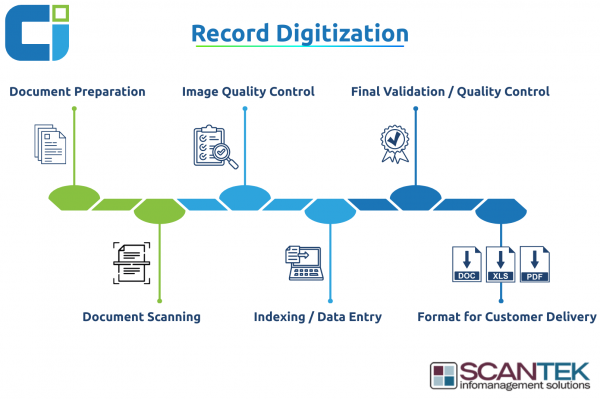
Record Digitization

Record Digitization

For counties still managing large volumes of paper records, we partner with Scantek

to digitize documents and convert filing cabinets into searchable digital archives. This

creates a strong foundation for transparency and efficiency.

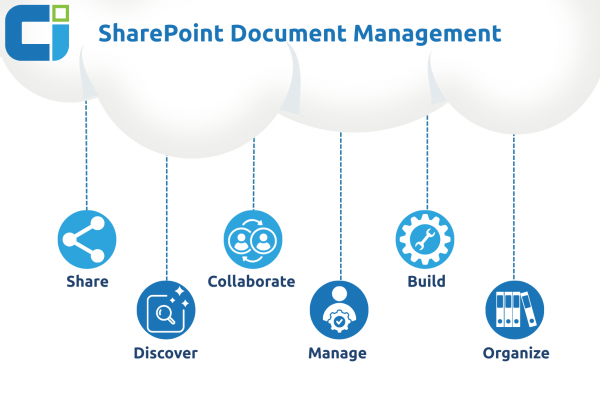
Smarter Document Management with SharePoint

Document Management

We design SharePoint-based document management solutions tailored to county

workflows. These solutions enable staff to find documents quickly, support secure

sharing of information across departments, and automate archiving and retention.

The result is less time searching and more time serving residents.

Our approach focuses on practical, sustainable solutions that counties can adopt and maintain.

Benefits for Your County

Modernizing your Right to Know processes delivers measurable benefits. Counties can respond to public inquiries more quickly and consistently. Operational costs decline as manual work is reduced. Compliance with transparency laws becomes easier to manage, lowering risk. All while collaboration across departments improves when information is easier to find and share.

The Bottom Line

The Right to Know is not just about meeting legal requirements, it is about reinforcing trust between county governments and the communities they serve. When records are accessible and processes are efficient, transparency becomes part of daily operations rather than an ongoing challenge.

Whether your county is just beginning to digitize records or looking to improve existing systems, a thoughtful approach can make a meaningful difference. Collective Intelligence is here to support that journey and help make transparency easier for everyone involved.

Schedule a meeting with our team to explore how we can support your transparency goals.